
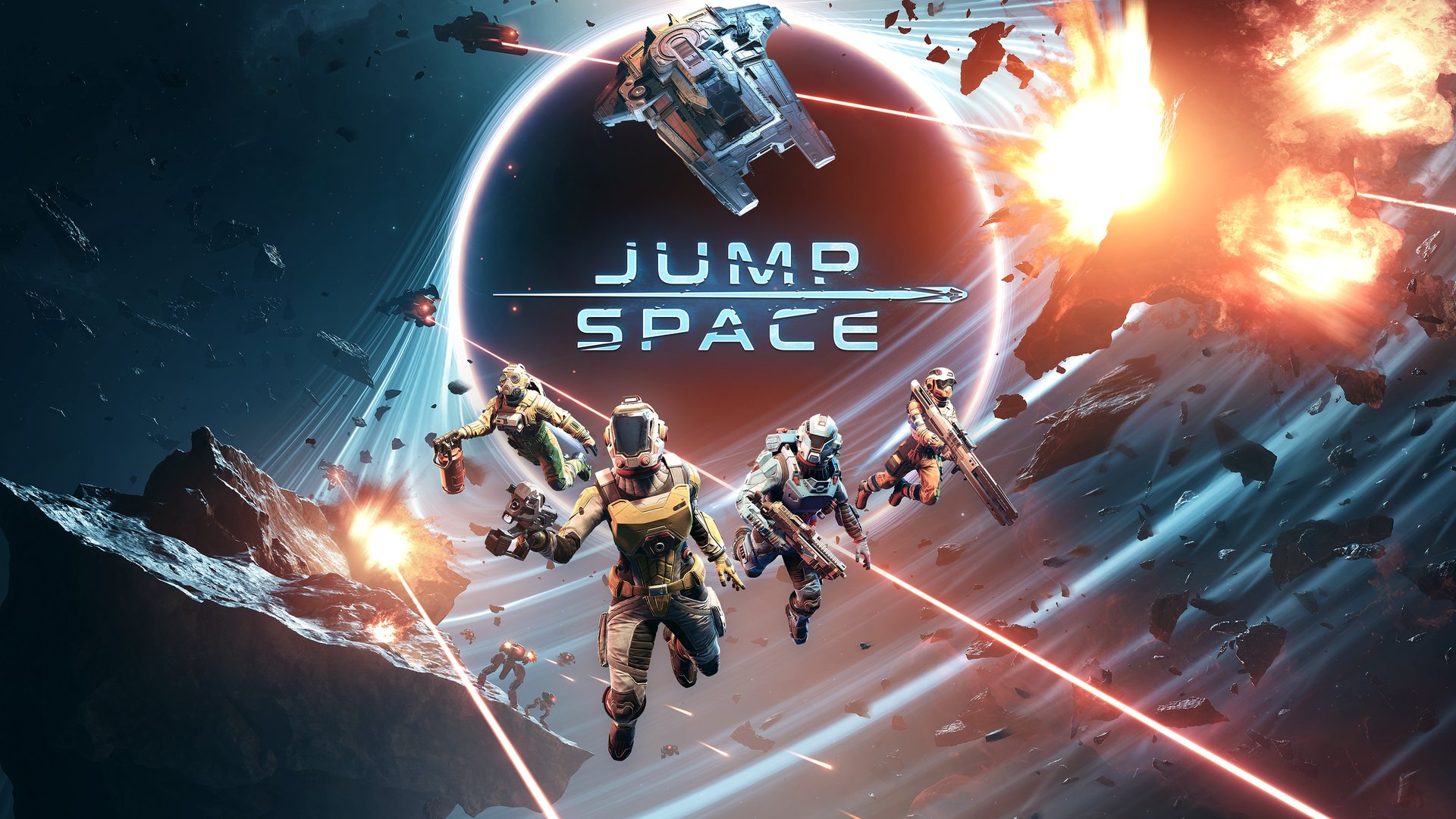
Jump Space, developed by Keepsake Games, is an ambitious mission-based PvE roguelike that blends intense first-person combat with complex spaceship management. Whether you are navigating the stars solo or with a crew of four, the learning curve can be as steep as the vacuum of space is deep. This jump space beginner guide is designed to help you navigate the early hours of the game, ensuring you don't just survive your first few jumps, but thrive as you push toward the galactic center. Understanding the synergy between your ship's systems and your on-foot exploration is the key to success. If you are looking to optimize your runs and secure permanent upgrades, following a comprehensive jump space beginner guide is the best way to start your journey.
Table of Contents
Understanding the Core Gameplay Loop
Jump Space operates on a loop of high-risk missions and permanent progression. You start at the outer reaches of a procedurally generated galaxy and must complete missions to earn experience, credits, and Material Ingots. Unlike many roguelikes where you lose everything upon death, Jump Space features a shared progression system. Any ship holes or components you unlock while playing in a friend's lobby will stay with you when you return to your own hanger.
The game seamlessly transitions between three primary states:
- Ship Piloting: Engaging enemy fighters, navigating debris, and managing ship health.
- Interior Management: Repairing components, putting out fires, and managing the power grid.
- On-Foot Exploration: Boarding derelict vessels, securing facilities, and fighting the Legion (the robot menace) in FPS combat.
For solo players, the game introduces "Buddy," a remarkably competent robot companion. Buddy can repair the ship, reload ammunition, and even join you on away missions. However, community reports suggest that Buddy has limitations, particularly with complex weapon systems, which we will cover later in this guide.
Quick Start Checklist
- Complete the prologue to understand basic movement.
- Start with "Trivial" or "Easy" missions to gather Materia.
- Focus on collecting Map Chart Fragments to unlock new regions.
- Always bring back duplicate components to convert into Material Ingots.
Choosing Your Vessel: C3 Catamaran vs. DT-4 Dart
Your ship is your lifeblood in Jump Space. Currently, the game offers two distinct ship hulls, each catering to different playstyles and group sizes. Choosing the right one is a fundamental step in any jump space beginner guide.
Ship Comparison Table
| Feature | C3 Catamaran | DT-4 Dart |
|---|---|---|
| Primary Role | Group-oriented / Heavy Support | Solo/Duo / Nimble Interceptor |
| Size | Large (Multiple floors) | Small (One room) |
| Max Artifact Slots | 5 | 5 |
| Pilot Weapons | 1 Hardpoint | 2 Hardpoints |
| Gunner Turrets | Multiple 360° Hardpoints | 1 Turret |
| Survivability | High HP / Robust Hull | High Maneuverability / Speed |
| Unlock Method | Starting Ship | Found in Tyvian Expanse |
The C3 Catamaran is excellent for full squads because it provides enough space for players to divide tasks like piloting, gunning, and repairing. However, for those playing alone, the DT-4 Dart is highly recommended by the community. According to player experience, the Dart’s single-room layout minimizes the time spent running between the cockpit and the repair core, which is vital when you're under heavy fire.
The Power Grid: A Tetris-Like Challenge
One of the most unique mechanics in Jump Space is the power grid. Every component you install—reactors, engines, sensors, and weapons—has a specific "power plug" shape and size. You must arrange these components on a grid to ensure they are powered. If a component is even one square off the grid, it won't function.
Component Categories and Functions
| Component Type | Primary Function | Beginner Strategy |
|---|---|---|
| Reactors | Provides the power grid layout. | Look for layouts with more "Protected" squares. |
| Engines | Boost speed and maneuverability. | Prioritize engines with auto-flare functionality. |
| Sensors | Scans for POIs and threats. | Smallest footprint; easy to swap out mid-mission. |
| Pilot Cannons | Front-facing weapons for the pilot. | Use these for clearing landing pads of enemies. |
| Multi-Turrets | 360° defense for the gunner. | Essential for anti-fighter support. |
| Special Weapons | High-damage, long-cooldown tools. | The Lance Rail Gun is the gold standard for snipers. |
Pro Tip from Community Reports: When you are short on power, you can swap components mid-jump. Since you only use the Jump Drive and Sensors once per jump, many experienced players fit their Rail Gun into the grid for combat and only swap back to the Sensor when they need to scan a new area.
Materia Management and the Assembler
Materia is the blue resource you collect during missions. It is not a permanent currency; instead, it fuels every action you take within a mission. You can find Materia floating in space after destroying enemy ships or inside canisters on derelict vessels.
How to Spend Materia Wisely
| Action | Cost | Why it's Important |
|---|---|---|
| Repair Hull | Low-Medium | Keeps the ship from exploding. |
| Revive Teammate | High | Vital for co-op; Buddy cannot revive you. |
| Craft Ammo | Low | Ensures your guns don't go click in a dogfight. |
| Craft Shields | Medium | Reactive armor is your first line of defense. |
| Assembler Items | Variable | Allows you to craft stims and fire extinguishers. |
Don't Let Buddy Waste Resources By default, Buddy will automatically spend Materia to craft single units of ammo when a magazine is low. Players have reported that this is highly inefficient. It is better to manually craft "4-pack" ammo boxes at the Assembler, which costs less Materia per unit than Buddy’s automatic single-unit crafting.
Navigating Missions and Regions
The galactic map is divided into regions. You begin in the outer rim, where missions are shorter and enemies are less aggressive. As you collect Map Chart Fragments, you unlock paths to the galactic center.
Mission Types Overview
- Salvage Runs: Locating and extracting high-value items from derelicts.
- Vault Breach: A combat-heavy mission where you must hold a position while a vault unlocks.
- Distress Call: Helping friendly AI ships escape Legion ambushes.
- Data Extraction: The only "endless" mode currently available, where you fight waves for as long as your Materia lasts.
- Artillery Support: A tug-of-war mission over massive orbital cannons.
When selecting a mission, pay attention to the "Jumps" indicator (the dotted line). Each jump represents a new area with its own objectives. If you only have 20 minutes to play, look for missions with fewer jumps.
Advanced Tactics and Community "Cheeses"
As you become more comfortable with the mechanics, you can start using advanced techniques to improve your efficiency. This jump space beginner guide wouldn't be complete without mentioning the creative ways players interact with the game world.
The Grappling Hook
The grappling hook isn't just for boarding ships; it's a mobility godsend.
- Inside the Ship: Use it to zip from the cockpit to the engine room instantly.
- Outside the Ship: When collecting Materia clouds near the wings, you can grapple from one side of the hull to the other, avoiding the airlocks entirely. Just double-jump to detach and hook the other side.
Boarding Cruisers Safely
Boarding an enemy Corvette or Cruiser is the best way to get high-tier components. However, the "ground" combat on the exterior of these ships can be lethal.
- The Cheese Tactic: Instead of landing and fighting on foot, fly your ship extremely close to the disabled cruiser. Stay on your ship’s exterior walkways and use your personal weapons to shoot the "ground targets" on the enemy ship. Your ship provides better cover than the narrow decks of the enemy cruiser.
Artifact Management
Artifacts provide passive buffs, such as healing near teammates or increasing damage when your shields are down.
- Install or Feed: You have 5 slots. If you find a new artifact but your slots are full, you can "feed" the new one to an existing one to level it up.
- Use it or Lose it: Any artifacts not installed or fed before you make a jump will disappear. Always check your artifact pedestals before hitting the jump drive.
Permanent Progression: The Hanger
Back at the hanger, you will interact with several NPCs who facilitate your long-term growth.
- Barrett (Dock Master): Manages your ship unlocks and customization.
- Bosi (Quartermaster): Customizes your space suit and voice.
- Vosque: Sells randomized artifacts for credits (in future updates).
The most important resource here is Material Ingots. You earn these by completing quests and bringing back ship components found during missions. Use these at the component wall to upgrade your gear. Be careful, though: upgrading a component often increases its power cost and changes its plug shape, which might break your carefully planned power grid.
For the latest official updates and patch notes, be sure to visit the Jump Space Steam Store Page, where the developers at Keepsake Games frequently post development logs.
FAQ: Frequently Asked Questions
How do I unlock the second ship in Jump Space?
To unlock the DT-4 Dart, you need to collect Map Chart Fragments during missions. These fragments eventually grant access to the Tyvian Expanse region. Once you reach this region, you can find the DT-4 Dart hull randomly inside mission areas.
What is the best weapon for Buddy to use?
According to this jump space beginner guide and community feedback, Buddy performs best with automatic or tracking weapons like Chainguns, Lasers, or Missiles. Buddy tends to miss the first shot of any engagement, which makes high-precision, single-shot weapons like the Rail Gun very ineffective in his hands.
Can I play Jump Space entirely solo?
Yes, Jump Space is fully playable solo thanks to the Buddy AI. However, some mission types, like Cargo Retrieval, can be very difficult alone because enemies respawn quickly. In these cases, it is often better to ignore the enemies and focus entirely on the objective.
What happens to my loot if I die?
Jump Space is a roguelike, so if your ship is destroyed or your crew dies, you will lose the Materia and temporary artifacts collected during that run. However, any permanent experience gained, credits earned, and Material Ingots secured will remain on your account.
Sources and known gaps
- best way to learn game? :: Jump Space General Discussions Source accessed:
- Tips and tricks for a new player :: Jump Space General Discussions Source accessed:
- Jump Space – Ultimate Beginner’s Guide (Top Gameplay Tips You Need to Know!) Source accessed:
- Jump Space: Top 5+ Beginner Tips You NEED to Know! (Totally not Jump Ship) #jumpspace Source accessed: