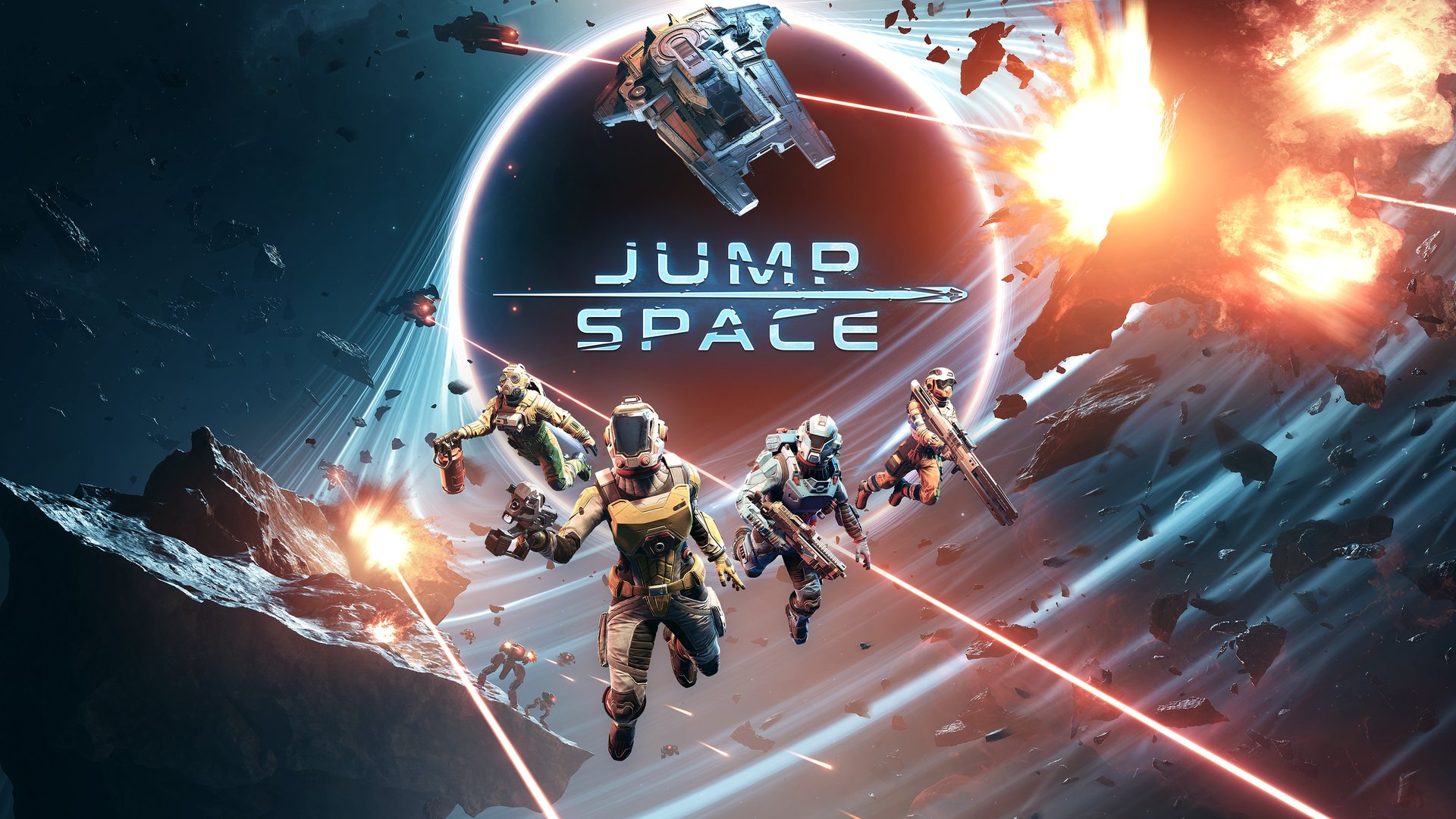
Jump Space Difficulty Scaling With Players: A Complete Guide
Struggling with Jump Space difficulty scaling with players? Discover how team size impacts enemy strength and ship stability in this comprehensive guide.
Published:
Table of Contents
Navigating the treacherous reaches of Jump Space requires more than just a sturdy ship; it demands a deep understanding of how the game balances its challenges. Many players find themselves wondering exactly how jump space difficulty scaling with players functions, especially when jumping from a solo run into a chaotic three-person squad.
Understanding jump space difficulty scaling with players is essential because the game dynamically adjusts its threat level based on your team composition. Whether you are a lone pilot or leading a full crew, knowing how these mechanics work will prevent you from being overwhelmed by unexpected ship failures or elite enemy spawns.
Understanding the Challenge Rating System
At its core, Jump Space utilizes a "Challenge Rating" (CR) system to determine mission intensity. According to community documentation, these ratings range from 1.0 to 5.0. While the base difficulty is set by the mission parameters, the game engine continuously monitors your party size to ensure the experience remains engaging.
How Scaling Impacts Your Run
When you add more players to your session, the game does not simply increase enemy health; it introduces a more complex web of systemic challenges.
Feature
Solo Scaling
Full Party Scaling
Enemy Aggression
Low / Baseline
High / Coordinated
System Failures
Minimal
Frequent / Complex
Loot Efficiency
High (Personal)
Distributed / Shared
Revive Cost
Standard
High (Resource Intensive)
As noted by Jump Space on Steam, the developers have built a system where the environment reacts to your presence. Players have reported that medium-difficulty missions with two people can sometimes feel more manageable than easy-difficulty missions with three, suggesting that the "system failure" frequency scales non-linearly with group size.
Why Multi-Player Scaling Feels Different
A common point of confusion in the community involves the perceived spike in difficulty when moving from solo to co-op play. While the game is designed to be a cooperative experience, the added chaos of managing ship systems while under fire can make the scaling feel more punishing than it actually is.
The "System Failure" Factor
In solo play, you have total control over your ship's movement and maintenance. In a group, you must delegate tasks. If your teammates aren't efficiently managing repairs, the increased volume of incoming fire—which scales with player count—will quickly lead to critical system failures.
Optimize Your Crew Roles
To counter aggressive difficulty scaling, designate one player as the "Systems Engineer" during intense asteroid showers or combat encounters. This keeps the ship's integrity high while others focus on offensive maneuvers.
Strategic Tips for Scaling Success
To master the game regardless of your party size, you must adapt your loadout and tactical approach. Based on expert player insights, here is how you should adjust your strategy:
1. Master Movement and Momentum
Whether you are alone or with a team, bunny hopping (b-hopping) is a game-changer. Use your flight mode momentum to dodge enemy fire. If you are carrying heavy cargo or batteries, hook onto an edge, cancel the pull, and use the remaining momentum to keep your speed up. This prevents you from becoming a stationary target, which is vital when the scaling makes enemies hit harder.
2. Utilize the "Friendly Fire" Artifact
If you are lucky enough to find the "Friendly Fire" artifact, treat it as a top-tier item. It heals teammates for 10 HP per shot and, crucially, allows you to revive downed teammates from a distance. This effectively nullifies the resource cost of revives (10 material or ship durability) and is a life-saver during high-difficulty scaling scenarios.
3. Tactical Ship Management
Don't just rely on standard weaponry. If you are in the gunner seat during an asteroid shower, shoot the asteroids before they impact the ship. While this won't eliminate all damage, it significantly reduces the stress on your hull, allowing you to survive higher CR missions that would otherwise overwhelm a larger, less-coordinated team.
Advanced Loadout Considerations
Choosing the right gear is the best way to offset the increased difficulty that comes with additional players. Here is a breakdown of recommended components for late-game builds:
Component Type
Recommended Choice
Reasoning
Engine
Drift Phase Engine
Best for evasive maneuvers.
Turret
Gatling Turret
High sustained damage, great for groups.
Special
Burst Shield
Essential for mitigating spike damage.
Reactor
Split Reactor
Handles high-power requirements for late-game builds.
Player Experience Note: Community members often suggest that the "Rapid Pulse" and "Fragmentation Cannon" descriptions might be swapped. The Fragmentation Cannon is currently favored for high-damage output, making it a reliable choice when the game scales up enemy health bars in 3-player sessions.
Frequently Asked Questions (FAQ)
Does jump space difficulty scaling with players reduce rewards?
No, the game is designed to keep rewards consistent with the mission's Challenge Rating. However, the efficiency of your loot runs may vary based on how quickly your team can clear objectives and manage ship cargo.
Is it easier to play solo or with a team?
It depends on your playstyle. Solo play offers a predictable environment with fewer random system failures, while a team allows for specialized roles (like a dedicated gunner or pilot). If you struggle with the game's scaling, try a duo setup to balance combat power and ship maintenance.
What happens if a player leaves during a mission?
The game is built to be dynamic. If a player leaves your lobby mid-mission, the difficulty will automatically scale down to compensate for the lost firepower, ensuring that you aren't left struggling with a 3-player difficulty setting while playing alone.
Are there specific weapons that help with scaling?
Yes, the missile launcher found in the final zones is highly effective for group play. It allows for target splitting, which is perfect for handling multiple enemies that spawn more frequently in higher-difficulty group sessions.